Dubai
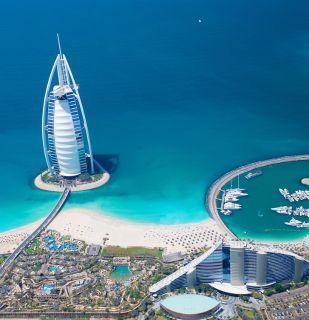
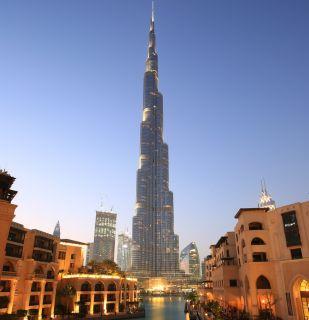
Skyline and beaches in the desert city
Lavish, ultra-modern and intensely busy, Dubai is a vertical city of over 1300 skyscrapers jutting out from the desert. Caught between past and present, tradition and cutting-edge technology, Dubai is the second-largest city in the UAE and packed with unique attractions such as Ski Dubai (snow in the desert anyone…?) and Palm Jumeirah island. In addition to a skyline littered with skyscrapers and resorts, Dubai still conserves many vestiges of its past, like the traditional wind towers, the labyrinth of alleyways in the older neighbourhoods and the traditional covered souk markets, where visitors can buy spices, perfume, fine fabrics, traditional dress, jewellery and much more besides. The long white beaches, on-trend bars, unique themed parks and solemn mosques make Dubai the perfect destination for a special holiday. It’s a city always ready to welcome new challenges, and has been chosen to host Expo 2020, whose theme is “Connecting minds, creating the future”. The Expo will fall on the 50th anniversary of the UAE – another great reason to visit!
The origins of Dubai
Like many other cities on the peninsula, Dubai sprang up in the early 1900s along Dubai Creek, which played a vital role in the economic development of the city. To this day, Dubai is split in two by the creek, along which modern buildings stand side by side with the typical souks and the minarets of the mosques, creating a striking visual contrast. A great way to admire the landscape around the creek is by hopping on an Abra, the typical vessel used to get from one bank to the other.
Located need to the creek, in the Bur district, is Al Fahidi, one of the oldest and most picturesque neighbourhoods in the city. Previously known as Al Bastakiya, it’s best visited on foot, which means you’ll be able to wander around its narrow alleys and admire the traditional houses, distinctive wind towers (an ancient way of ventilating buildings) and historic buildings that have now become cafes, art galleries and shops.
You can also get a taste of old Dubai by heading to the Jumeirah Mosque in the historic centre. It’s a wonderful example of the local architecture, with its white colour taking on a pink hue at sunset and the two tall minarets framing the central dome to perfection.
In the same district is the Al-Fahidi Fort, the oldest building in Dubai. Built in around 1790, it’s now home to Dubai Museum, which features archaeological artefacts, documents and photos of the city from the 1950s to the present day.
Themed parks and wild nature
There are surprises at every turn in Dubai, with even the city’s themed parks managing to push the boundaries of originality. The Dubai Miracle Garden is the largest flower garden in the world, featuring 45 million flowers, many of them resembling true works of art.
The brightly coloured Dubai Butterfly Garden is home to around 15,000 butterflies originating from Latin America, Asia and Africa and provides a great opportunity to get some stunning photographs.
Dolphin Bay at Hotel Atlantis, meanwhile, gives visitors the chance to experience the unforgettable thrill of swimming with dolphins.
And last but not least, just a few miles from the centre is the Ras Al-Khor Wildlife Sanctuary, a tranquil reserve where visitors can admire many species of migratory birds, including the wonderful spectacle of thousands of pink flamingos, who travel here in the winter.
All-out shopping!
If you’re determined to bring a traditional gift home, don’t miss out on a trip to one of the city’s historic souks. Whether you’re after fabric (Bur Dubai Souk), spices (Deira Spice Souk) or gold, jewellery and precious stones (the famous Gold Souk), you’ll be spoilt for choice on the bargains.
If you prefer a more conventional shopping experience, however, Dubai Mall – near to the Burj Khalifa – is a vast shopping centre considered by many to be the largest in the world. With over 1200 stores, 150 restaurants, spectacular fountains and even a theme park, boredom is not an option!
Culinary gems
Despite a plethora of international influences, Dubai remains fiercely loyal to its gastronomic traditions. Once a village inhabited by farmers and fishermen, the city is now packed with local restaurants serving up dishes mainly based around meat (chicken, lamb and camel) and fish, flavoured with generous quantities of spices.
As well as classic dishes like cous cous and rice, make sure you try the following dishes if you really want an authentic experience: Molokheia (herb soup), Warka Enab (vine leaves stuffed with mince and rice), seabass with coconut milk, Moutabal (a puree made from grilled aubergines and sesame paste), Mohalla (bread with honey and date syrup) and Balaleet (thin pastry with egg, onion, cinnamon and sugar), which makes an excellent breakfast.
Further afield
Just a few miles from the modern skyscrapers of the city are miles and miles of sand dunes. There are lots of tourist agencies that organise desert safaris of various types (quadbikes, jeeps or on camels), while some even offer the chance to spend the night in the wilderness, giving you an incredible feeling of absolute freedom. Don’t skip the Abu Dabi Grand Mosque, situated around an hour and a half from Dubai.
As big as five football pitches, the mosque is festooned with 82 domes, seven 24-carat gold chandeliers decorated with hundreds of Swarovski crystals, over 1096 marble columns dotted with semi-precious stones and walls featuring mosaics made from glass and gold.
Required Documentation
In order to enter the United Arab Emirates, of which Dubai is part, you must be in possession of a passport valid for at least six months after your date of entry to the country. For stays of up to 90 days, EU citizens do not need to apply for a visa in advance – one will automatically be issued when you enter the country.
If you’re just passing through Dubai airport, all you need is a passport (the six-month validity rule does not apply).
Non-EU citizens must request a visa in advance. Visas can vary in type depending on your nationality, reason for travel and duration of stay. If you’re just passing through, you can apply for a visa at the airport.
For more information, please visit https://www.emirates.com/ae/english/before-you-fly/visa-passport-information/prearranged-uae-visas.aspx
When to visit
The best time to visit Dubai is spring (particularly March and April) and autumn (November and early December), when the daytime temperatures are more manageable (between 20°C and 27°C) and the evenings bring a mercifully cool breeze. Summers are best avoided on account of the suffocating heat (temperatures can hit 50°C), while winter occasionally sees rain and strong winds, especially in January and February, when temperatures plummet after dark.
Tips
Most of Dubai’s interesting events take place in spring, including the Dubai International Jazz Festival (February-March), the Dubai Art Fair (March), which features work by artists from all over the world, and the Dubai Desert Rock Festival (March), where the bill regularly includes globally renowned musicians.
For foodies, this period also sees the Dubai Food Festival (February-March) and the Festival of Taste (March).
Towards the end of autumn and beginning of winter, the popular Rugby Sevens (November) and the Dubai International Film Festival (December) are well worth trying.
Tips